Autism Support Products help children feel calmer, safer, and more comfortable during sensory overload, bedtime, travel, school, and everyday routines.
Autism Support Products
Helpful product categories for comfort, sensory support, focus, sleep, auditory needs, calming spaces, and everyday autism routines.
Autism Support Products for Daily Comfort and Sensory Needs
Autism Support Products are not meant to change who a child is. They are tools that may help with comfort, sensory regulation, communication, sleep, focus, and daily routines. Many autistic children experience sound, light, touch, movement, texture, transitions, and crowded places more intensely than others.
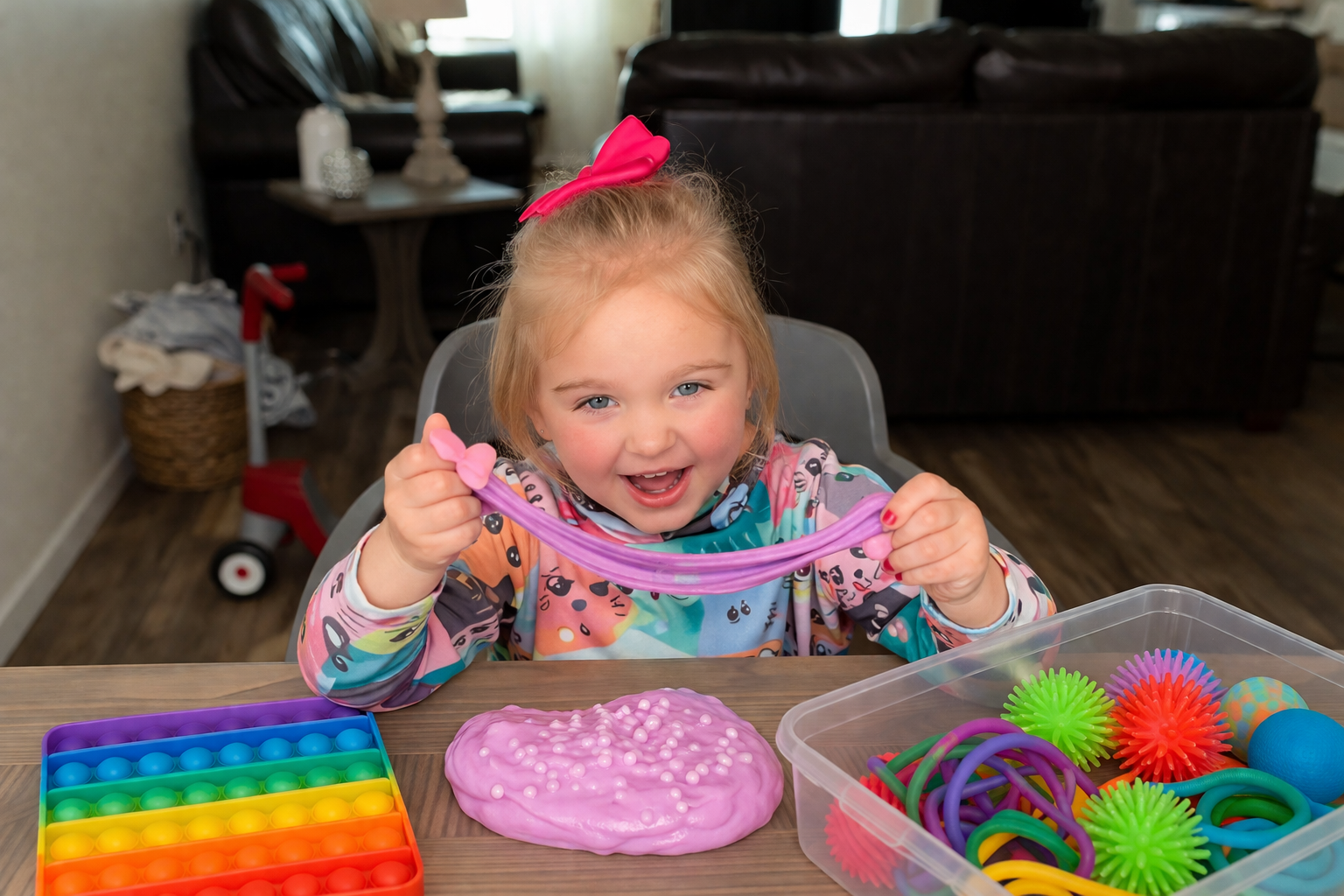
The right support products can make stressful moments easier to manage. Noise-reducing headphones may help in loud stores. A weighted blanket may make bedtime feel safer. Fidgets may help busy hands stay regulated. Sensory room items may create a calming place to reset at home.
Sensory Tools
Helpful tools for regulation, comfort, calming support, and sensory breaks during the day.
Auditory Support
Noise-reducing options for sound-sensitive kids, teens, and adults in loud places.
Sleep Support
Comfort products that may help bedtime feel calmer, safer, and more predictable.
Sensory Rooms
Ideas for creating a calming space at home for relaxation, regulation, and quiet time.
Toys & Fidgets
Hands-on tools for focus, busy hands, sensory play, and self-regulation support.
Calming Picks
Comfort-focused favorites for stressful moments, transitions, meltdowns, and quiet breaks.
How to Choose Autism Support Products
The best Autism Support Products depend on the child’s individual needs. Some children seek movement, pressure, chewing, spinning, swinging, or soft textures. Others avoid sound, bright lights, scratchy clothing, strong smells, crowds, or too much visual stimulation.
Start by watching what causes stress. If loud sounds trigger meltdowns, auditory support may be the first place to begin. If bedtime is difficult, sleep support products may help create a calmer routine. If your child needs movement or pressure to feel settled, sensory tools or a calming space may be more helpful.
Products for Sound Sensitivity
Noise-reducing headphones and auditory support tools may help children who struggle with stores, restaurants, school noise, fireworks, storms, or crowded places.
Explore Auditory SupportProducts for Sleep Struggles
Sleep support items may help create a calmer bedtime routine with comfort tools, soft lighting, weighted options, and predictable nighttime support.
Explore Sleep SupportProducts for Sensory Regulation
Sensory tools, fidgets, swings, textured items, and calming products may help support regulation during stressful or overstimulating moments.
Explore Sensory ToolsWhy Autism Support Products Help Families
Autism Support Products can make daily life feel more manageable because they give children tools before overwhelm becomes too much. A child who has access to headphones, a fidget, a quiet corner, or a calming bedtime item may have an easier time communicating stress before it turns into a meltdown.
These products are not rewards or bribes. They are supports. Just like glasses help someone see better, sensory tools can help an autistic child feel safer and more regulated in an environment that may feel too loud, too bright, too busy, or too uncomfortable.
Shop Autism Support Products
Browse sensory tools, calming items, headphones, sleep supports, fidgets, and everyday comfort products on Amazon. These Autism Support Products can help families find practical support for home, school, travel, bedtime, and stressful outings.
Shop Autism Support ProductsSmall Products Can Make a Big Difference
Autism Support Products work best when they are chosen with patience, respect, and the child’s comfort in mind. The goal is not to force a product. The goal is to offer tools that help the child feel safer, calmer, and more understood.