
about autism is a gentle starting place for families who want to understand autism with compassion, clarity, and practical support.
About Autism
Understanding autism starts with awareness, patience, and the belief that every child deserves support that fits the way they experience the world.
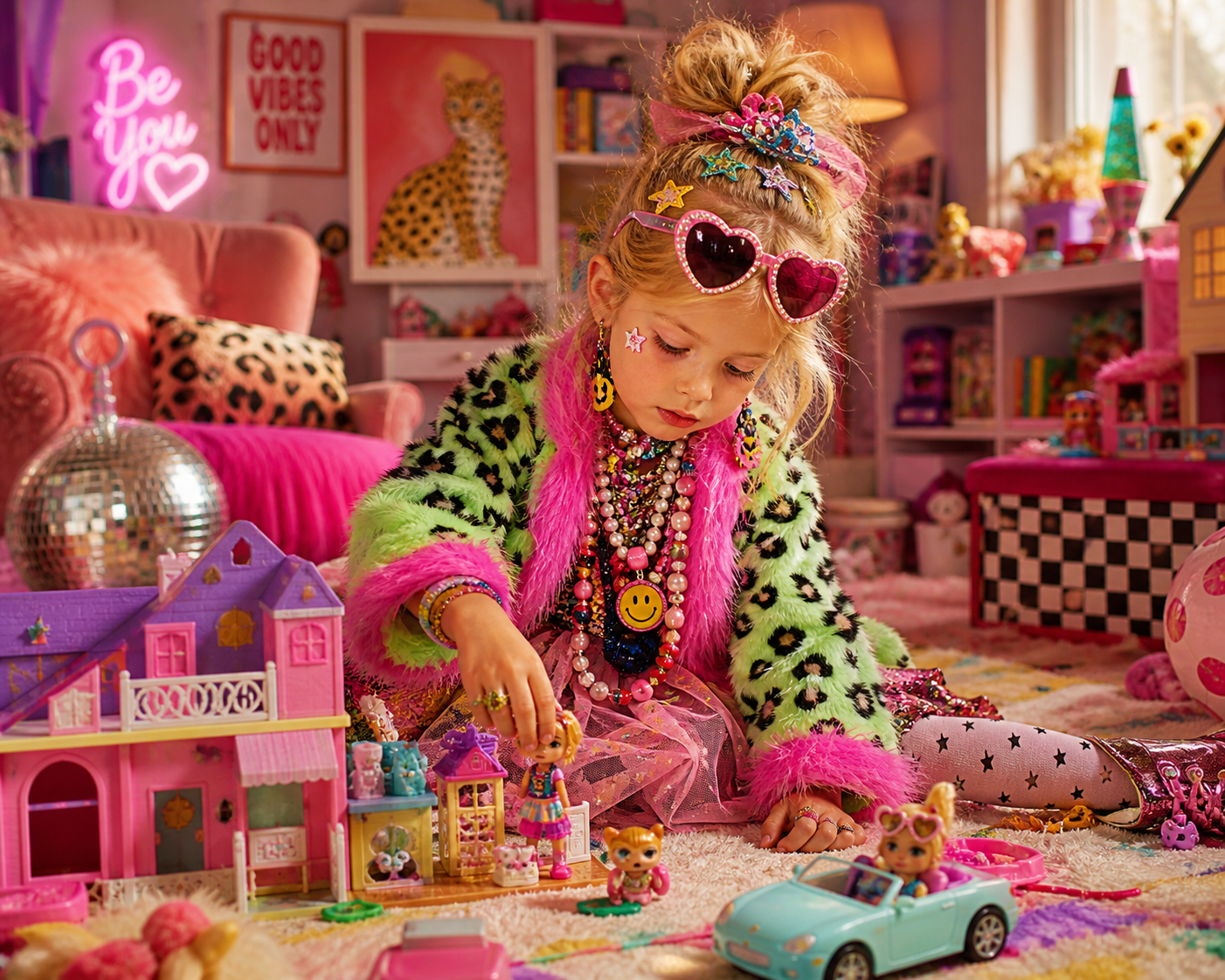
Every Child Experiences the World Differently
Autism is not something to “fix.” It is something to understand. Children on the autism spectrum may communicate, learn, play, process sounds, handle routines, and respond to emotions in ways that look different from other children. Those differences do not make a child less capable or less worthy. They simply mean the child may need support that matches their brain, body, and environment.
Learning about autism takes time, but the right information can make a big difference for families. For many families, the beginning can feel overwhelming because there may be new words, appointments, behaviors, school questions, sensory needs, and daily routines to figure out. Understanding autism one step at a time can make the journey feel less scary.
What Is Autism?
Autism, also called Autism Spectrum Disorder or ASD, is a developmental difference that can affect communication, social interaction, sensory processing, behavior, learning style, and daily routines. It is called a spectrum because autism does not look the same in every child. One child may speak clearly but struggle with loud sounds. Another child may be nonverbal but communicate through gestures, pictures, sounds, or facial expressions.
A helpful way to think about autism is this: the child is not trying to be difficult. The child may be trying to manage a world that feels too loud, too bright, too unpredictable, or too confusing. When adults respond with understanding instead of punishment, children often feel safer and more regulated.
About Autism as a Spectrum
Understanding Sensory Needs
Many autistic children experience sensory input differently. A sound that seems normal to one person may feel painful to a child with sound sensitivity. A shirt tag, bright light, crowded room, food texture, or unexpected touch may feel overwhelming. Sensory needs are not bad behavior. They are signals that the child’s nervous system may need support.
Simple changes can help. A quieter space, headphones, dim lighting, a soft blanket, a calm routine, or a sensory-friendly corner can make everyday life feel more manageable. Families can also explore tools that support regulation and comfort.
Small sensory changes can make a big difference in how safe and calm a child feels.
Common Signs Families May Notice
Autism signs can appear differently depending on the child’s age, personality, language level, and environment. Some children may avoid eye contact, repeat words or movements, line up toys, become upset by changes, prefer playing alone, or have strong interests. Other children may seem social but become exhausted by interaction or struggle to understand hidden social rules.
- Difficulty with back-and-forth conversation or social play.
- Strong reactions to sounds, lights, clothing, food textures, or busy spaces.
- Need for routines, sameness, or advance warning before transitions.
- Meltdowns caused by overwhelm, not defiance.
- Deep interest in specific topics, objects, patterns, or activities.
If you are looking for more detail, visit our guides on signs of autism in toddlers, autism meltdown vs tantrum, and nonverbal autism communication.
Support Matters More Than Perfection
Parents and caregivers do not have to know everything at once. The most important place to start is by watching the child closely and asking, “What is this behavior trying to tell me?” A child who covers their ears may need less noise. A child who refuses certain foods may be struggling with texture. A child who melts down after school may have been holding everything together all day.
Support can include sensory tools, visual schedules, speech support, occupational therapy, school accommodations, calming spaces, predictable routines, and extra time for transitions. Families can also learn from trusted medical and educational resources. The CDC autism resource page provides general information about autism signs, screening, and developmental support.
Helpful Autism Guides
These related pages can help families keep learning about autism in a calm, step-by-step way.
You Are Not Alone
Whether you are just starting to learn about autism or you have been supporting your child for years, you do not have to figure everything out in one day. Every child deserves patience. Every family deserves support. And every small step toward understanding can make home, school, and daily life feel a little more peaceful.
About autism is something every family learns at their own pace. With understanding, patience, and the right support tools, children can feel safer, more confident, and better able to navigate the world around them.