

What Is Autism Stimming is one of the most common questions parents ask when they notice repetitive movements, sounds, or behaviors that help a child regulate sensory input and emotions.
What Is Autism Stimming
Learning what stimming means can help parents respond with more understanding, less fear, and better support for an autistic child’s daily needs.
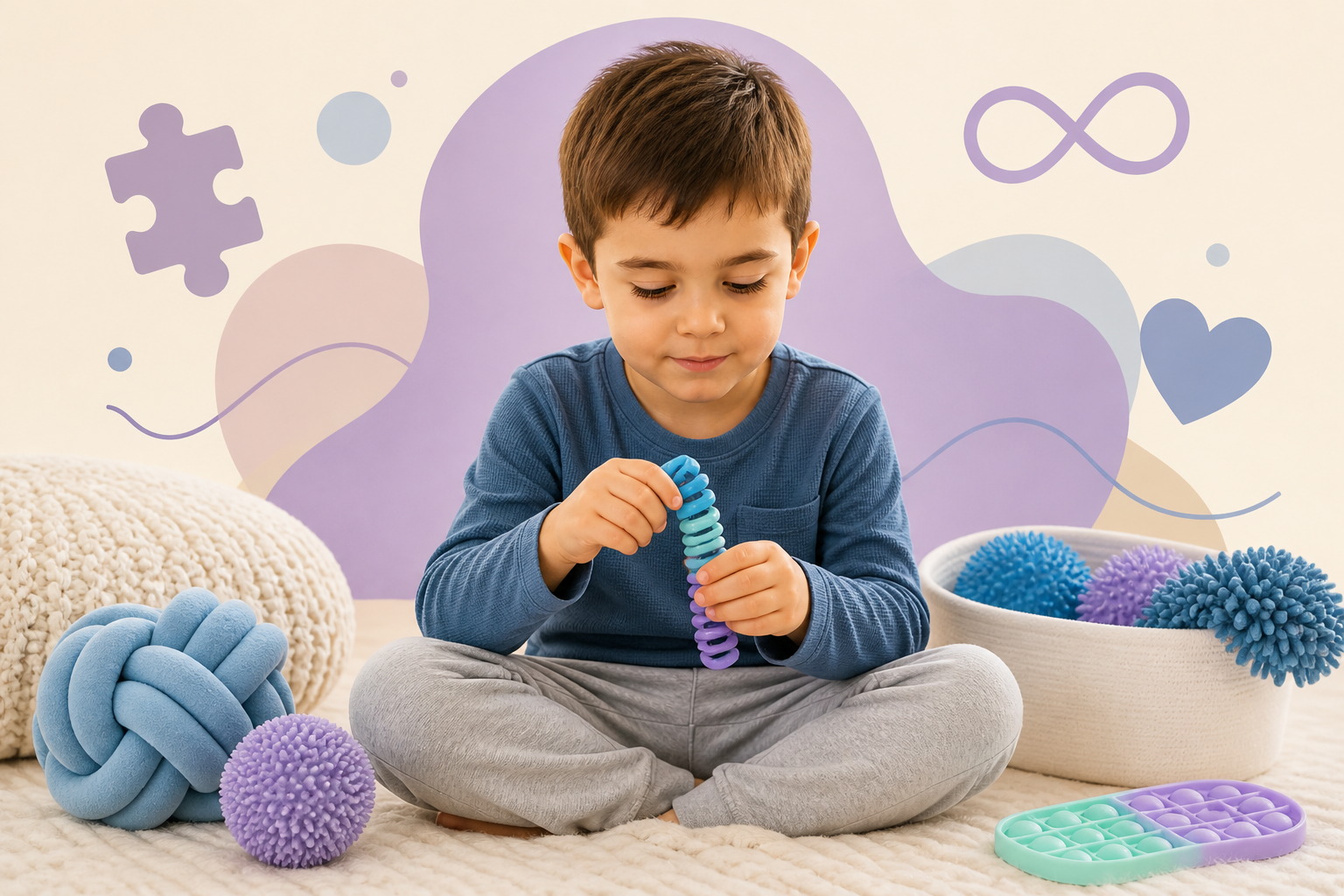
What Is Autism Stimming?
What Is Autism Stimming refers to self-stimulatory behavior, often called stimming. These behaviors can include repetitive movements, sounds, or actions that help regulate the nervous system. Stimming is very common in autistic children and adults and is often connected to how the brain processes sensory information.
Stimming may look unusual to others, but it often serves an important purpose. It can help a child feel calmer, more focused, safer, or more in control of their environment. Instead of seeing stimming as something bad, it helps to understand what need may be behind it.
Why Do Autistic Individuals Stim?
Understanding What Is Autism Stimming becomes easier when you look at why it happens. Stimming is often a form of self-regulation. It can help manage emotions, process sensory input, release excitement, or cope with stress.
Some children stim when they feel overwhelmed in loud or busy places. Others stim when they are happy, excited, nervous, bored, or trying to concentrate. If your child also struggles with sensory overload, stimming may become more noticeable during stressful moments.
What Is Autism Stimming is a natural part of how many autistic individuals regulate their environment and emotions.
Common Examples of What Is Autism Stimming
Stimming can look different for every person. Some behaviors are easy to notice, while others are small and quiet. There is no single way that stimming appears.
Common examples include hand flapping, rocking back and forth, spinning objects, tapping fingers, pacing, humming, repeating sounds, chewing safe sensory items, rubbing textures, or using fidget toys. Some children may stare at lights, line up objects, or repeat certain movements because the pattern feels calming.
These behaviors are often connected to the same needs discussed in behavior support, because behavior is often communication.
Is Autism Stimming Harmful?
In most cases, stimming is not harmful. It is usually a helpful way for the body to regulate itself. Many families worry when they first notice stimming, but the behavior itself is often not the problem.
Parents may need to step in only if stimming becomes unsafe, causes injury, or keeps the child from important daily activities. When stimming is safe, allowing it can help reduce anxiety and support comfort.
How Parents Can Support Autism Stimming
Supporting stimming does not mean ignoring your child. It means learning what helps them feel calm and safe. Parents can offer sensory tools, quiet spaces, movement breaks, soft textures, or predictable routines.
If your child has strong reactions to food textures, clothing, sound, or routine changes, you may also want to read about autism and picky eating. Sensory needs can show up in many parts of daily life.
When Should Parents Ask for More Help?
Most stimming does not need to be stopped. However, if a behavior causes harm, becomes very intense, or seems connected to severe distress, it may help to talk with a developmental professional.
Many parents first notice stimming while learning about early signs of autism. You can also visit autism symptoms for more information.
Trusted Autism Stimming Resource
For more information, visit the National Autistic Society guide on stimming.
What Is Autism Stimming Explained Simply
What Is Autism Stimming is a term used to describe repetitive behaviors that help regulate emotions, sensory input, and focus. What Is Autism Stimming is not a behavior that needs to be stopped in most cases. Instead, What Is Autism Stimming is often a helpful way for autistic individuals to manage their environment, reduce stress, and feel more comfortable in daily life.
Understanding What Is Autism Stimming Helps Families Respond Better
What Is Autism Stimming becomes easier to understand when you see it as self-regulation and communication instead of misbehavior.
This content is for informational purposes only and is not a substitute for professional advice.