

Sensory Rooms for Autistic Children
Sensory rooms can create a calm, safe space where an autistic child can rest, regulate, recover from overwhelm, and feel protected.
Sensory Rooms for Autistic Children
Sensory rooms are one of the most helpful ways to support autistic children at home. A sensory room does not have to be expensive, perfect, or complicated. It can be a full bedroom, a quiet corner, a cozy nook, or a small space designed to help a child feel safe and calm.
For many autistic children, sensory overload can happen quickly. Loud sounds, bright lights, strong smells, uncomfortable textures, busy rooms, and changes in routine can all become overwhelming. Sensory rooms give children a place to step away from that pressure and return to a calmer state.
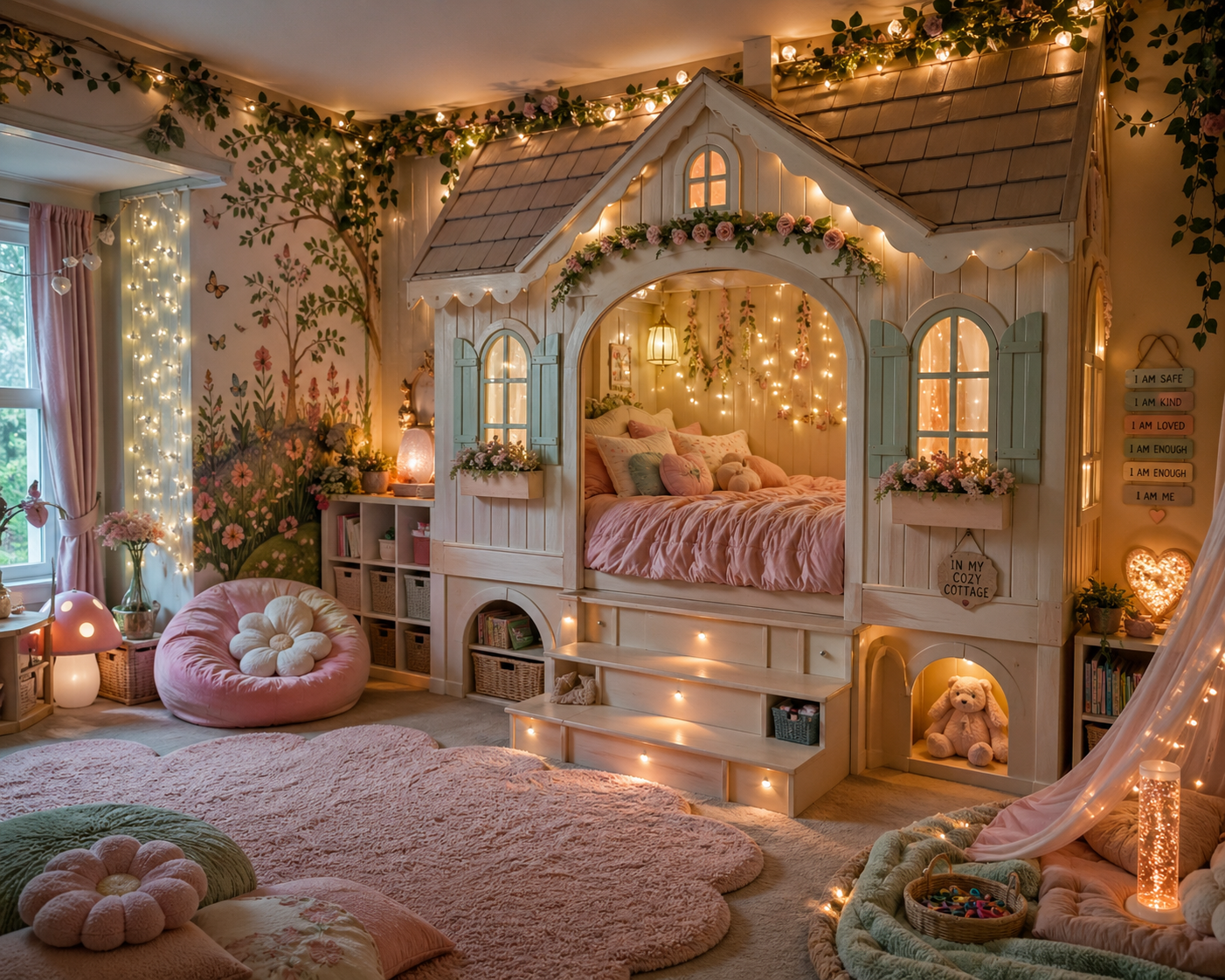
You may also want to visit our Sensory Tools, Sleep Support, Noise Canceling Headphones, and Understanding Autism pages.
Why Sensory Rooms Matter
Sensory rooms matter because they give autistic children a space where the environment supports their needs instead of overwhelming them. A child who is overstimulated may not be able to explain what is wrong. They may cry, hide, run away, refuse tasks, cover their ears, or melt down because their nervous system is overloaded.
The CDC autism overview explains that autistic people may have differences in communication, behavior, learning, movement, and attention. Those differences can affect how a child responds to light, sound, touch, routines, and personal space.
A sensory room gives the child a predictable place to reset. Over time, many children begin to understand that this is where they can go when they need quiet, pressure, comfort, or a break.
How Sensory Rooms Help Autistic Children
Sensory rooms can help autistic children by reducing stimulation and giving them access to calming tools. Some children need a quiet space after school. Some need a place to recover after appointments, stores, family gatherings, or loud environments. Others may use sensory rooms before bedtime to help their body slow down.
A good sensory room should feel safe, predictable, and personal. It should match the child’s needs instead of being filled with every sensory product available. More items do not always mean better support. Sometimes the calmest sensory rooms are simple.
Enclosed Spaces
Bed tents, canopies, and cozy corners can help some children feel protected and less exposed.
Calming Lights
Soft lighting, dim lamps, and projectors can reduce harsh visual input and create a peaceful feeling.
Weighted Comfort
Weighted blankets and pressure tools may help some children feel grounded and secure.
Cozy Seating
Bean bags, floor cushions, and soft chairs create a calm place to rest, read, or reset.
Sound Support
White noise machines and calming sounds may help reduce sudden household noise.
Light Control
Blackout curtains can make sensory rooms feel calmer, darker, and easier for rest.
Sensory Rooms as a Safe Zone
For many autistic children, the bedroom or sensory space becomes their safe zone. This is the place where they can stop masking, stop responding to demands, and let their body calm down. That matters deeply.
Some children naturally seek enclosed spaces because smaller spaces feel safer and more controlled. They may hide under blankets, sit in closets, build forts, or curl into corners. A sensory room can offer that same feeling in a safer and more intentional way.
A sensory room can be the one place where an autistic child feels fully safe.
What to Include in Sensory Rooms
The best sensory rooms are built around the child, not around a shopping list. Watch what your child already seeks. If they cover their ears, sound support may help. If they hide under blankets, enclosed spaces may help. If they avoid light, softer lighting may help. If they seek pressure, weighted comfort may be useful.
For Light Sensitivity
Try blackout curtains, dim lamps, soft night lights, or calming projectors.
For Sound Sensitivity
Try white noise, soft rugs, curtains, or noise-reducing tools.
For Pressure Seeking
Try weighted blankets, body pillows, compression sheets, or soft bedding.
For Safe Retreat
Try a bed tent, canopy, cozy corner, reading nook, or floor cushion.
You can also read our Auditory Support, Daily Living Skills, and Behavior Support guides.
Keep It Calm
Use soft lighting, gentle colors, familiar textures, and fewer distractions.
Keep It Predictable
Place comfort items in the same spot so the space feels familiar.
Keep It Safe
Avoid blocked exits, unsafe cords, unstable furniture, and clutter.
Sensory Room Safety Tips
- Choose safe, age-appropriate products.
- Make sure enclosed spaces allow airflow and easy exit.
- Keep cords, lamps, electronics, and plugs safely positioned.
- Anchor furniture when needed and avoid unsafe climbing risks.
- Do not overcrowd the room with too many sensory tools at once.
- Remove anything that increases stress, fear, or overstimulation.
- Check weighted blankets for correct size, weight, and safety guidance.
The National Institute of Mental Health provides more information about autism symptoms, support, and developmental differences.
Sensory rooms often work best when they are calm, simple, and predictable.
Simple Sensory Rooms at Home
A simple sensory room might include one soft light, one cozy seating area, one comfort blanket, one calming sound option, and one safe place to retreat. That may be enough. The space does not need to look like a therapy clinic or a Pinterest-perfect room.
What matters is whether the child uses the space and feels calmer there. If the child relaxes, returns to it, sleeps better, or recovers faster, the sensory room is doing its job.
When Sensory Rooms Become Part of Daily Life
Sensory rooms can become part of a child’s daily routine. A child may use the space after school, before bedtime, after appointments, or when the home feels too loud. This can help the child learn where to go when they need regulation.
Parents and caregivers can help by respecting the sensory room as a calm space. Avoid using it as a punishment area. Avoid turning it into a place for demands. Let the space stay connected with safety, rest, and recovery.
Shop Sensory Room Ideas
Browse calming lights, bed tents, blackout curtains, cozy seating, white noise machines, weighted comfort items, and sensory room tools on Amazon.
Shop Sensory Room ToolsMore Autism Support Guides
Continue with our Autism Guides, Sleep Support Tips, Sensory Tools, Sensory Rooms, and Communication guides.