

Signs of Autism in Toddlers can include speech delays, limited eye contact, sensory sensitivities, repetitive play, and social communication differences.
Signs of Autism in Toddlers
Gentle guidance for noticing early autism signs, understanding toddler behavior, and knowing when to ask for support.
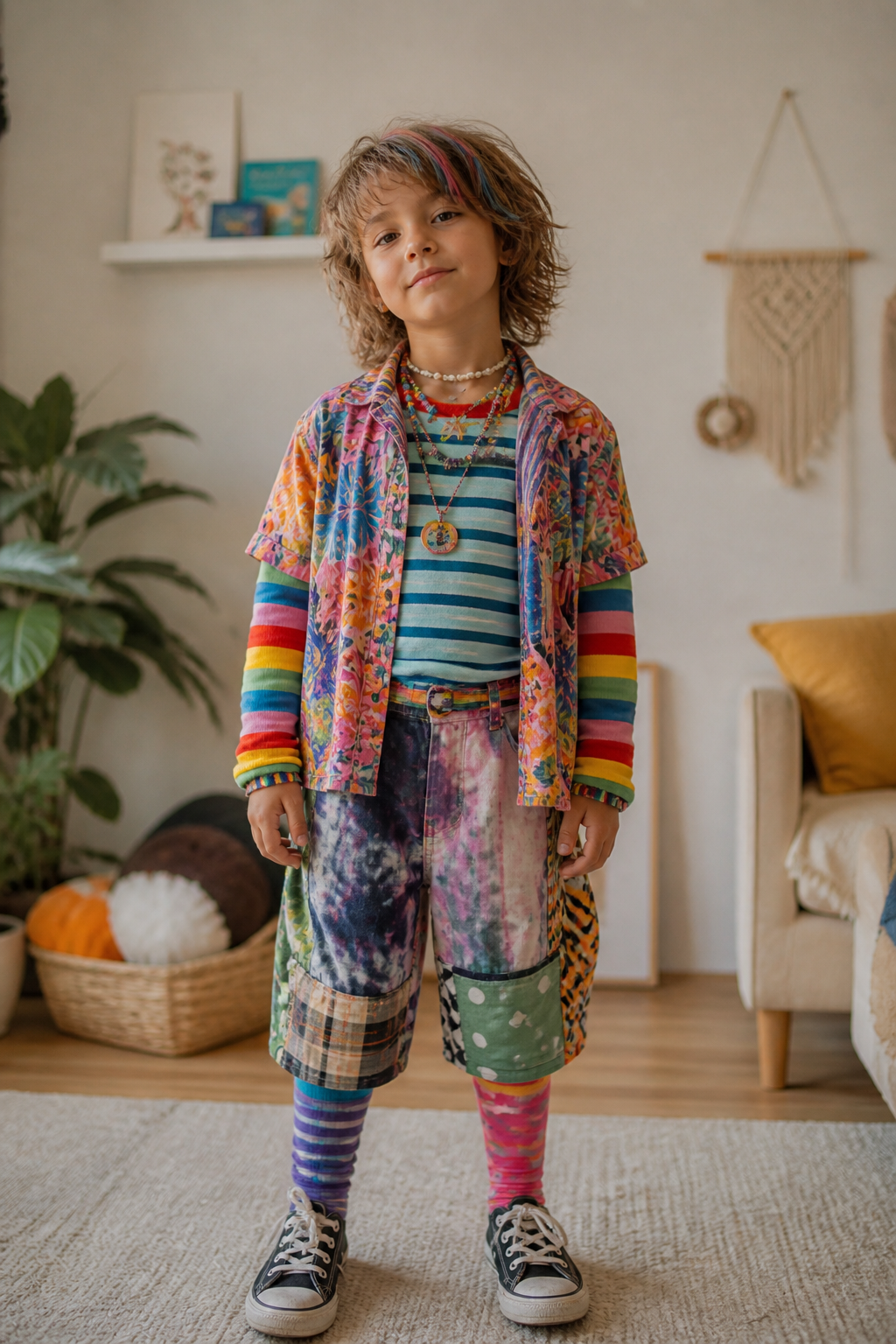
Signs of Autism in Toddlers Can Look Different
Every toddler develops differently. Some toddlers talk early, some talk later, and some need more support with communication, play, routines, or sensory needs. Signs of Autism in Toddlers may be subtle at first, especially when a child is affectionate, active, or meeting some milestones.
Early autism signs do not always look the same in every child. This guide can help you notice patterns over time and decide when to talk with a pediatrician, developmental specialist, or early intervention provider.
Common Signs of Autism in Toddlers to Watch For
Limited Eye Contact
A toddler may avoid eye contact, look past people, or seem less interested in faces.
Speech Delays
Some toddlers may not use many words, may stop using words, or may not respond to their name consistently.
Different Play
A child may line up toys, spin wheels, focus on parts of objects, or prefer repetitive play.
Repetitive Movements
Hand flapping, rocking, spinning, pacing, or repeating actions may be a way to regulate.
Social and Communication Signs of Autism in Toddlers
- Does not always respond to their name
- Does not point to show interest
- Does not bring objects to show you
- Uses fewer gestures, such as waving or nodding
- May seem unaware of other children
- May prefer playing alone
Important
One sign alone does not mean a toddler is autistic. Patterns over time matter more than one behavior.
Sensory Signs of Autism in Toddlers
Sound Sensitivity
Hand dryers, vacuums, crowds, alarms, or loud rooms may cause fear or distress.
Clothing Sensitivity
Tags, seams, socks, shoes, or certain fabrics may feel unbearable.
Food Texture Issues
A toddler may strongly avoid certain textures, smells, temperatures, or mixed foods.
Movement Seeking
Some toddlers seek spinning, jumping, climbing, crashing, or rocking to feel regulated.
Why Early Signs Matter
Signs of Autism in Toddlers matter because early support can help families understand what a child needs. Noticing signs does not mean something is wrong with your child. It means you are paying attention to how your child communicates, plays, reacts, and manages the world around them.
Some toddlers show signs through speech delays, while others show signs through sensory reactions, play differences, routines, or emotional overwhelm. A child may be loving and connected but still need help with communication, transitions, sounds, textures, or social interaction.
When to Ask for Help
Write Down Patterns
Keep notes about speech, play, sensory reactions, sleep, routines, and communication.
Talk to the Pediatrician
Bring your notes and ask about developmental screening or autism evaluation.
Ask About Early Intervention
Early support can help with communication, routines, sensory needs, and daily skills.
Trust Your Gut
If something feels different, it is okay to ask questions and seek support early.
Helpful Support Tools for Signs of Autism in Toddlers
These tools do not diagnose or treat autism, but they may help some toddlers feel calmer and more supported while families observe patterns and seek guidance.
Toddler Headphones
Helpful for loud environments, travel, stores, and events.
Sensory Toys
Simple tools for calming, focus, movement, and play.
Visual Schedules
May help toddlers understand routines and transitions.
Calm Spaces
A cozy space can help some toddlers feel safer and less overwhelmed.
Early Support Can Make a Difference
If you are noticing Signs of Autism in Toddlers that concern you, asking questions early is not overreacting. It is a loving step toward understanding your child’s needs.
You do not need to have every answer before asking for help. Write down what you notice, trust your instincts, and bring your concerns to a qualified professional.
This content is for informational purposes only and is not a substitute for medical, developmental, educational, or therapeutic advice. Always speak with a qualified professional about concerns regarding your child’s development.